200 Years of Photography!
One of my passions is photography, and September 2026 is a big milestone — 200 years of photography!
It has been 200 years since the first permanent photograph was taken by Nicéphore Niépce in 1826. The photograph, known as “View from the Window at Le Gras,” required an exposure lasting many hours. Imagine having to wait that long just to take one photo!
In 1839, photography became much more publicly accessible with the introduction of the daguerreotype. Invented by Louis Daguerre, daguerreotypes were highly detailed, one-of-a-kind positive images made on silver-coated copper plates.
Over the decades that followed, photography became more advanced and exposure times became much quicker. By the late 19th century, taking a photograph had become dramatically faster and more practical.
One of my favourite photography trends from this era is sepia toning. Sepia toning was a chemical process that helped make photographs more durable while also giving them that beautiful, warm, antique brown-and-white appearance. It became particularly popular during the late 1870s and into the early 1900s.
By the early 20th century, photography continued to improve. Photographs from the 1910s and 1920s often had a strong, deep black-and-white appearance, with increasingly impressive levels of detail.
Colour photography was also developing. Early colour processes such as Autochrome, introduced commercially in 1909, allowed photographers to capture the world in colour. Colour photography continued to improve throughout the first half of the 20th century and became increasingly common for everyday people during the 1950s, 1960s and 1970s.
Then came another huge change — digital photography.
In 1975, Kodak engineer Steven Sasson developed the first self-contained digital camera. It was a long way from the tiny cameras we carry around today, but it helped begin a revolution that would eventually transform photography forever.
The 21st century saw photography move beyond traditional cameras and increasingly into our phones. Camera phones began appearing around 2000, particularly in Japan and South Korea. Then, in 2007, Apple released the first iPhone, helping to usher in a new era in which millions of people could carry a capable camera with them everywhere they went.
Today, photographs can be created in many different ways — from professional DSLR and mirrorless cameras to compact cameras, smartphones, drones, satellites and even artificial intelligence.
When you think about it, 200 years is a very long time.
Photography predates many technologies and inventions that have shaped the modern world. It existed before the telephone (1876), the light bulb (1879), pizza (1889), cars (1886), planes (1903), trams (1897), buses (1899), film (1894), the World Wide Web (1991), smartphones (2007), video gaming (1940), artificial intelligence (1939), space travel (1961). It is almost as old as trains too, the first train was in 1804.
That is what I find so amazing about photography.
For two centuries, photography has captured our changing world. It has recorded people, families, cities, landscapes, trains, wars, celebrations, disasters, sporting moments, scientific discoveries and journeys into space. It has allowed us to see people and places that disappeared long before we were born.
Almost everyone and everything that has existed during the modern era has been photographed in some way.
A photograph can be a historical record, a memory, a piece of evidence, a family treasure or simply a beautiful work of art. Sometimes a single photograph can tell a story better than thousands of words ever could.
From a photograph that required hours of exposure in 1826 to the billions of photographs that can now be captured and shared almost instantly, photography has come an incredible distance in just 200 years.
Photography is absolutely amazing, and it is definitely a work of art.
Happy 200 years of photography!
Here’s to the next 200 years — and beyond!
Below are a few key photographs from throughout history that I personally think are significant.
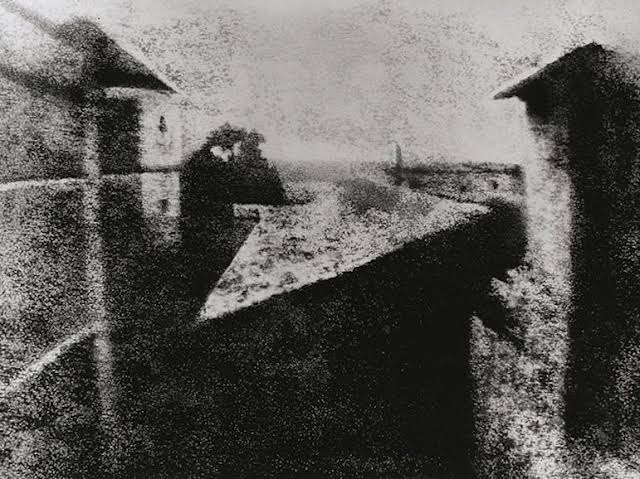
1826. The first photo ever taken
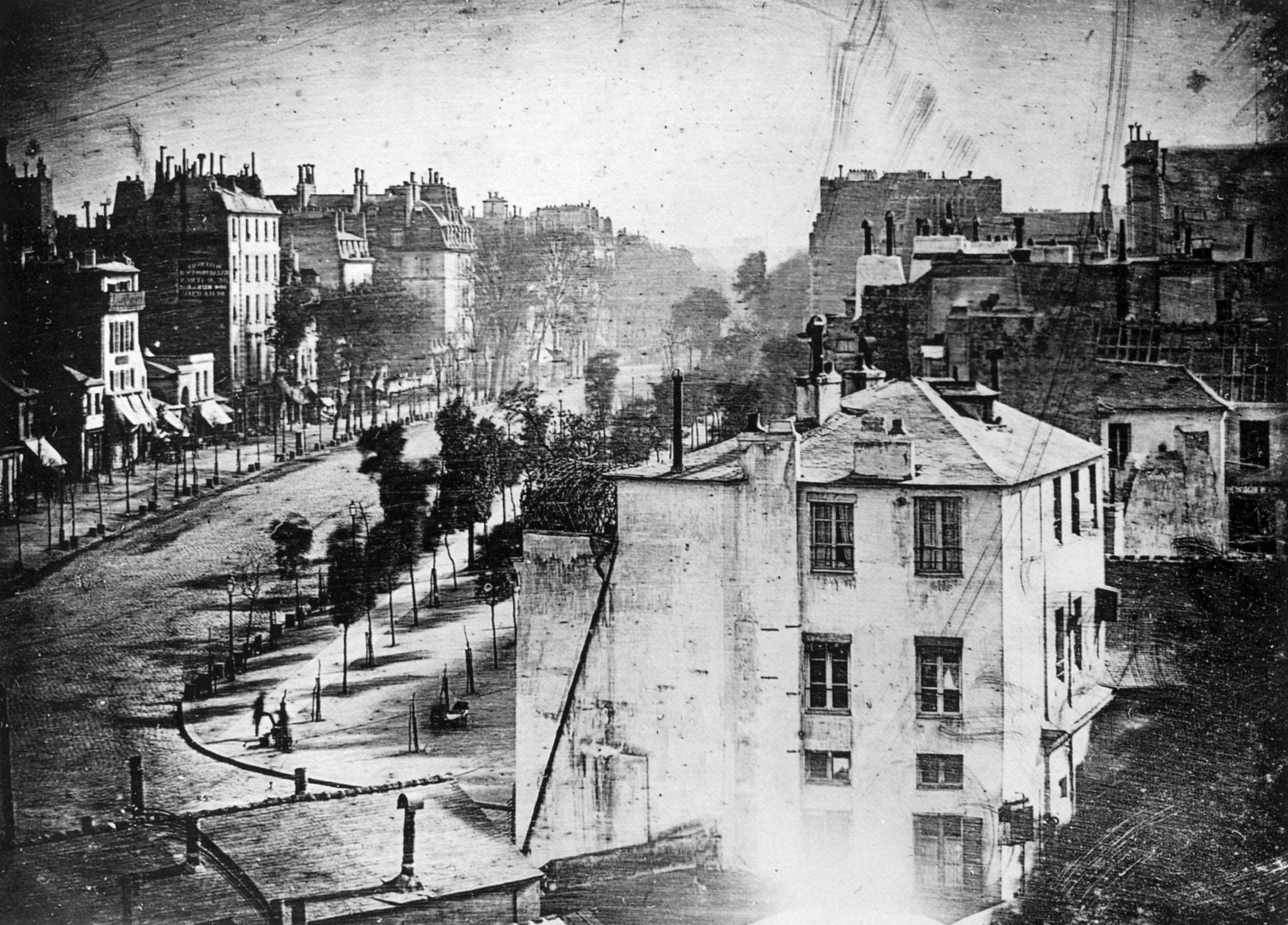
1839. a daguerrotype, this was the first photo with a person in it
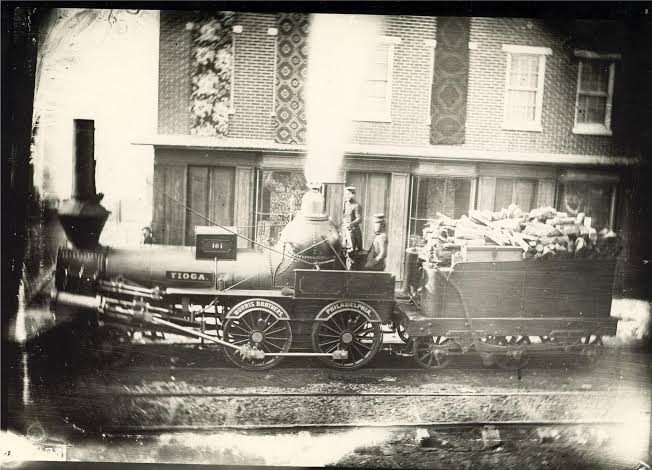
1848. Tioga, the first photo ever taken of a train
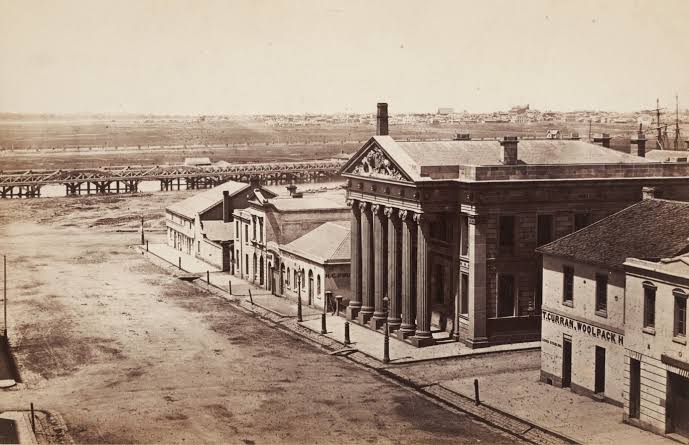
1859. The first photo ever taken of Melbourne
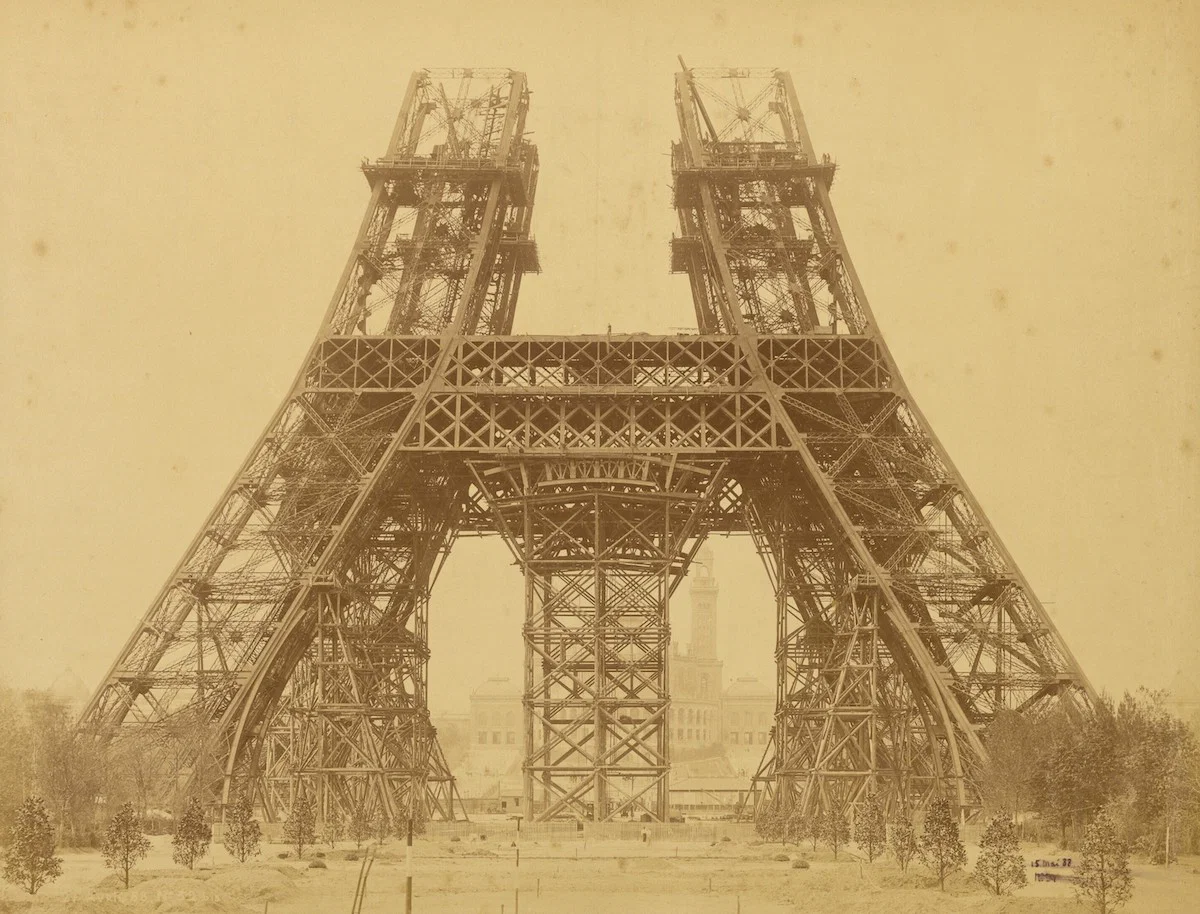
1888. Eiffel Tower under construction, this is a perfect example of sepia toning
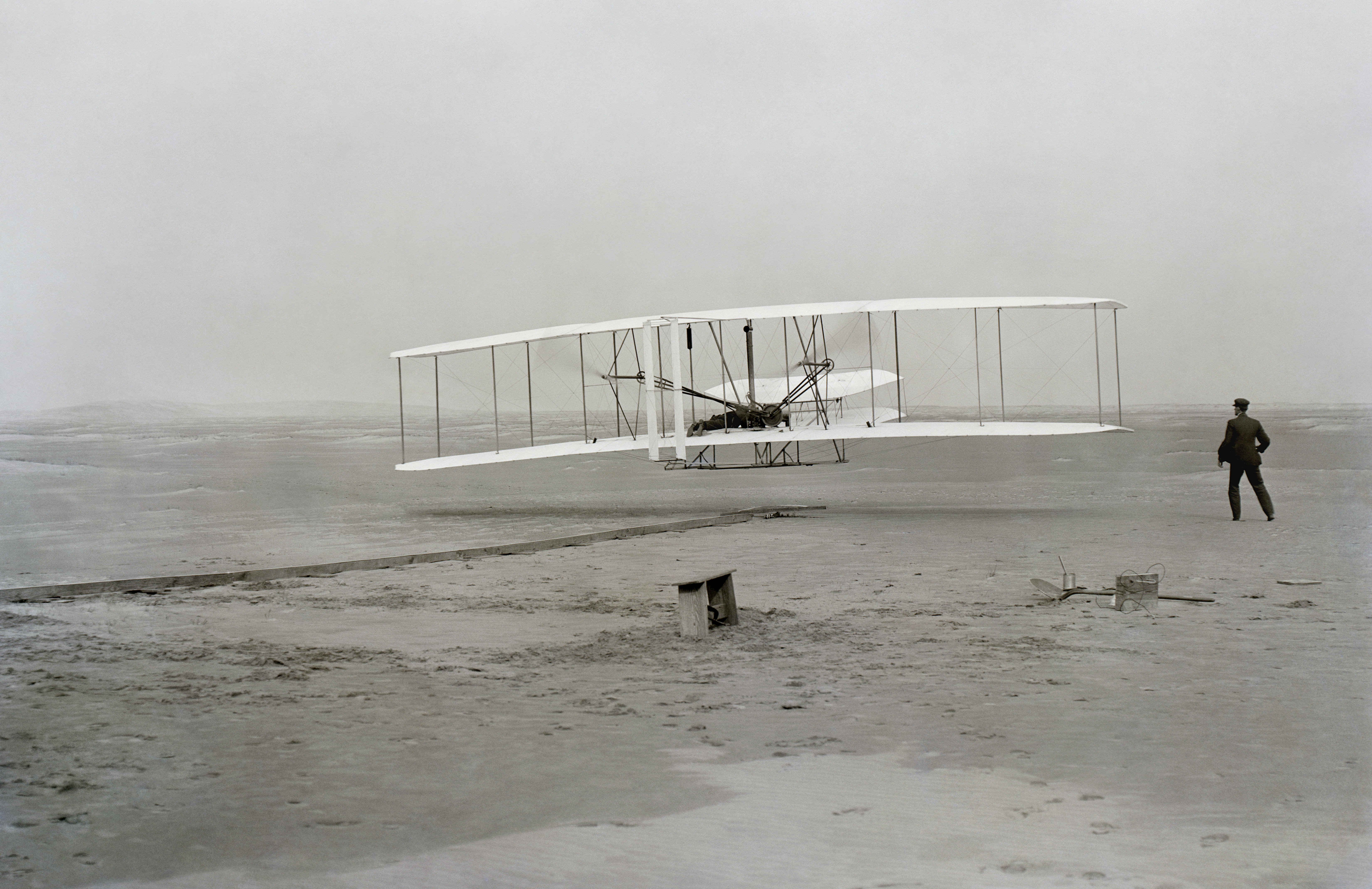
1903. Wright Brothers, The first flight
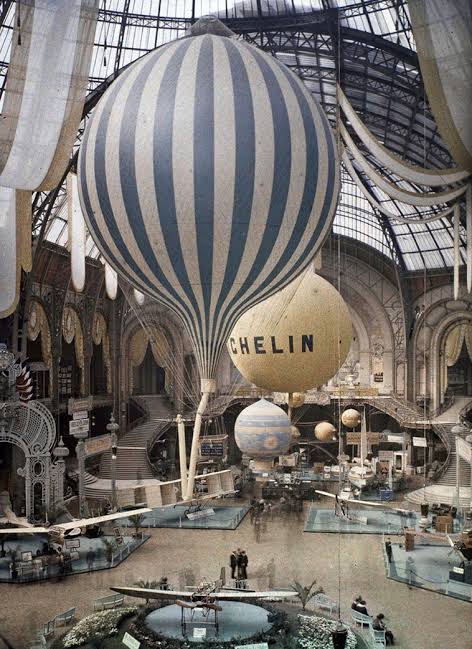
1909. First colour photo ever taken (autochrome)
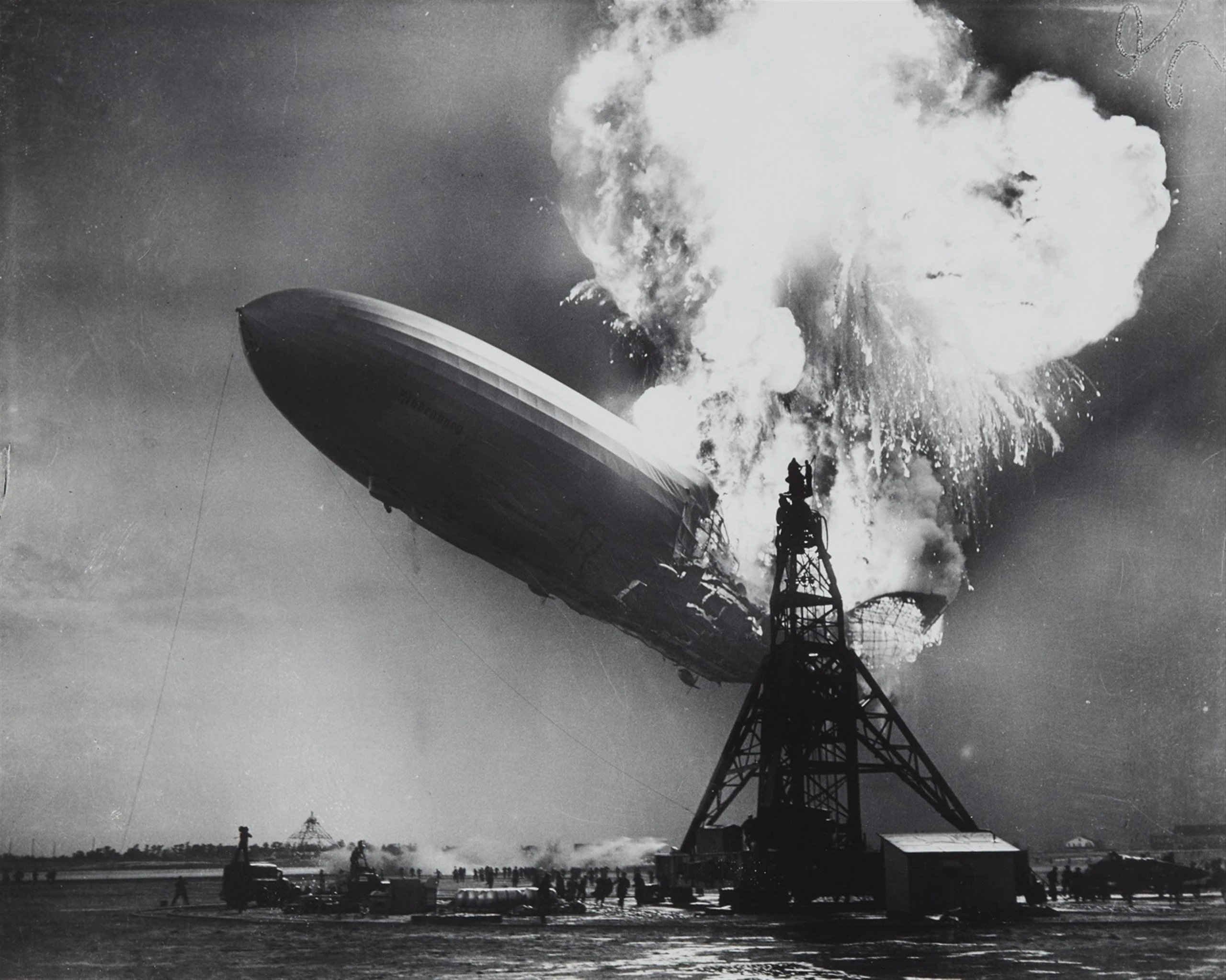
1937. The Hindenburg disaster
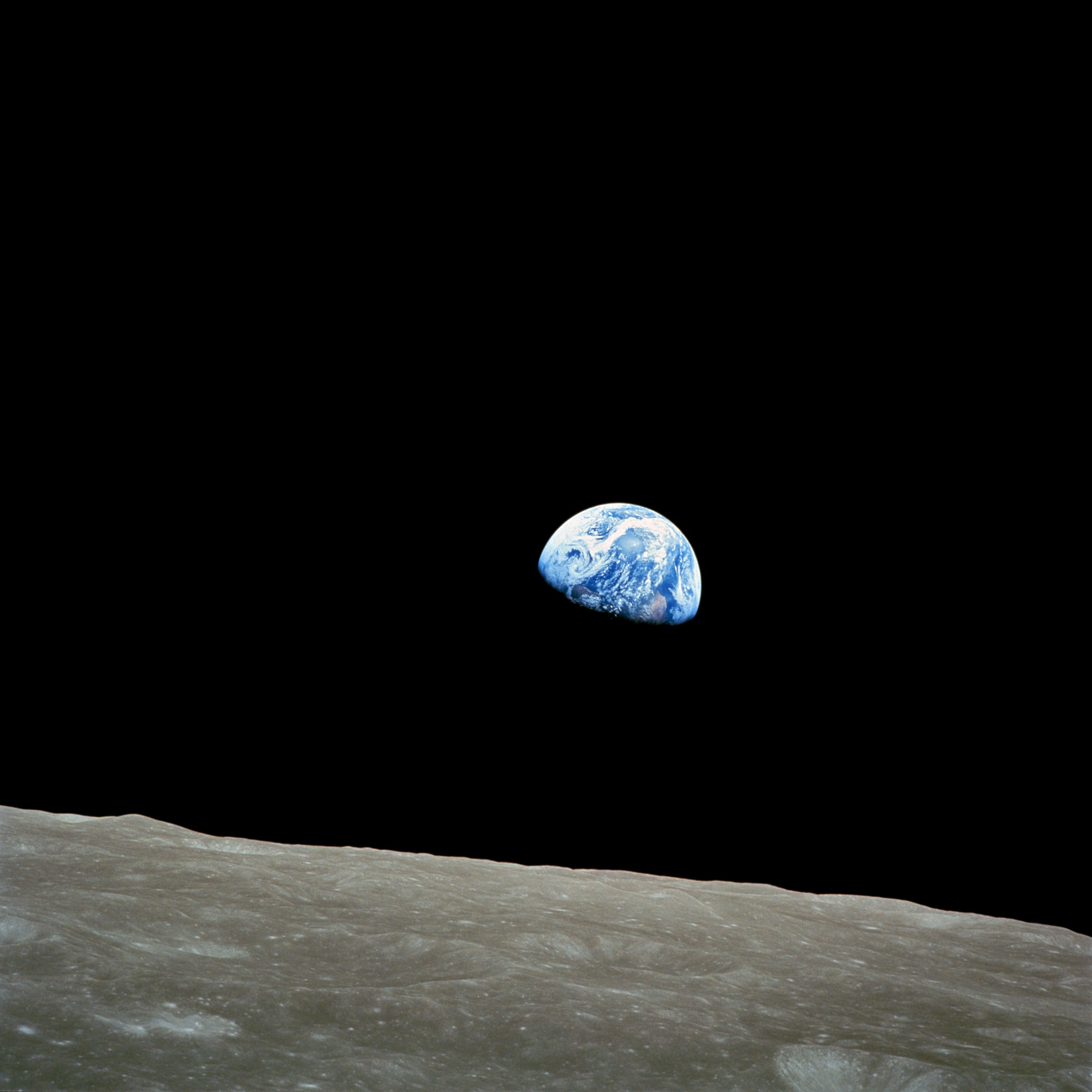
1968. Apollo 8, Earthrise
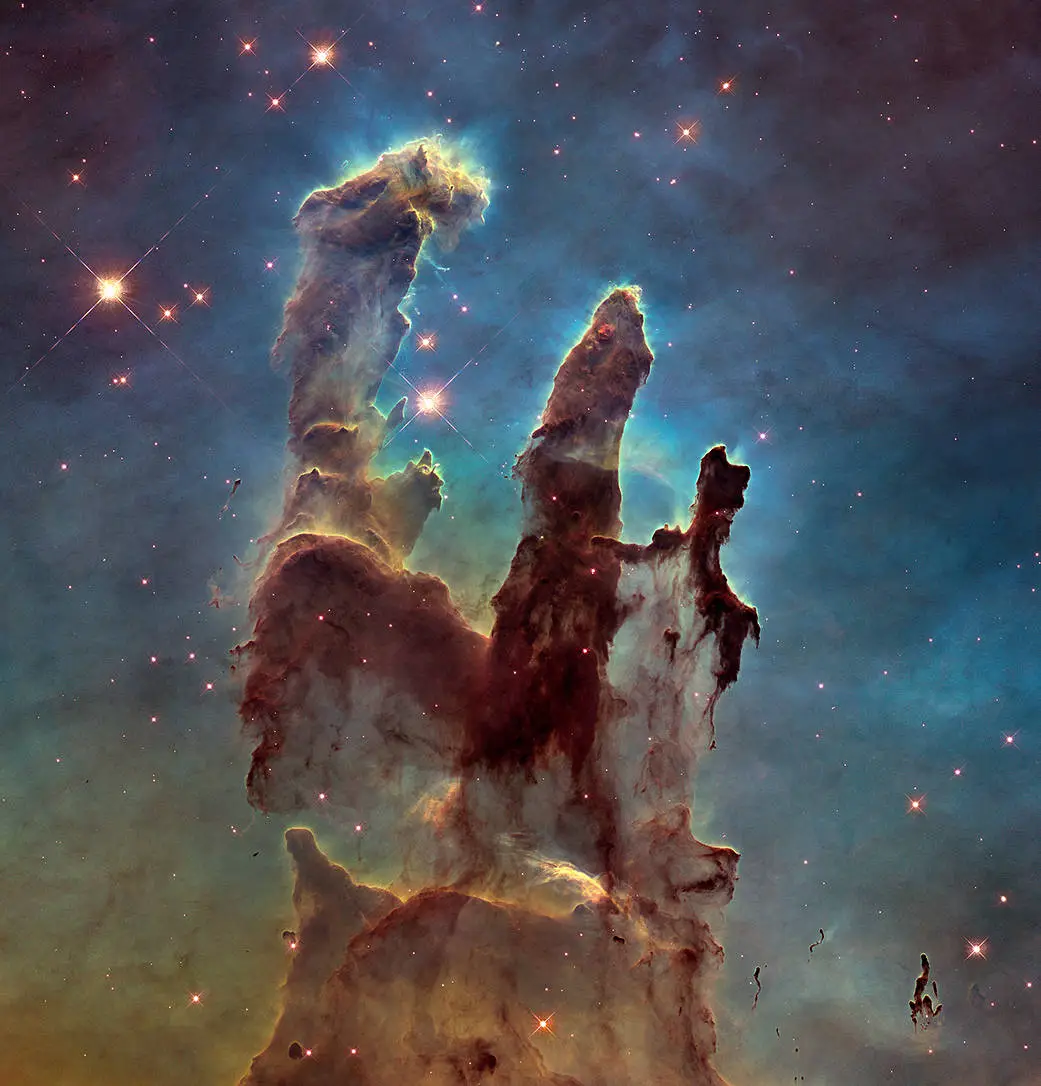
1995. Pillars of creation taken by the Hubble Space Telescope
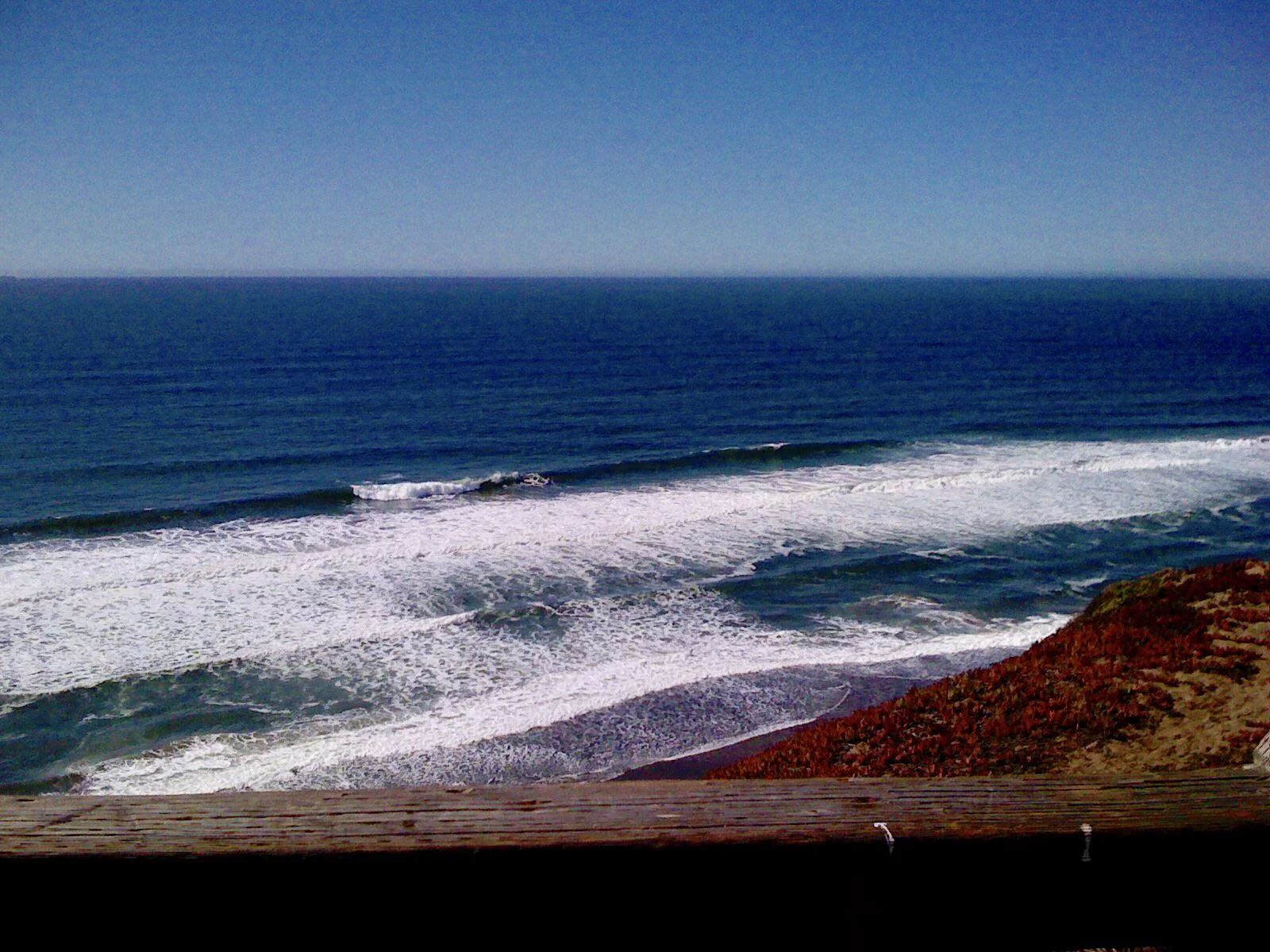
2007. First photo taken by an iPhone
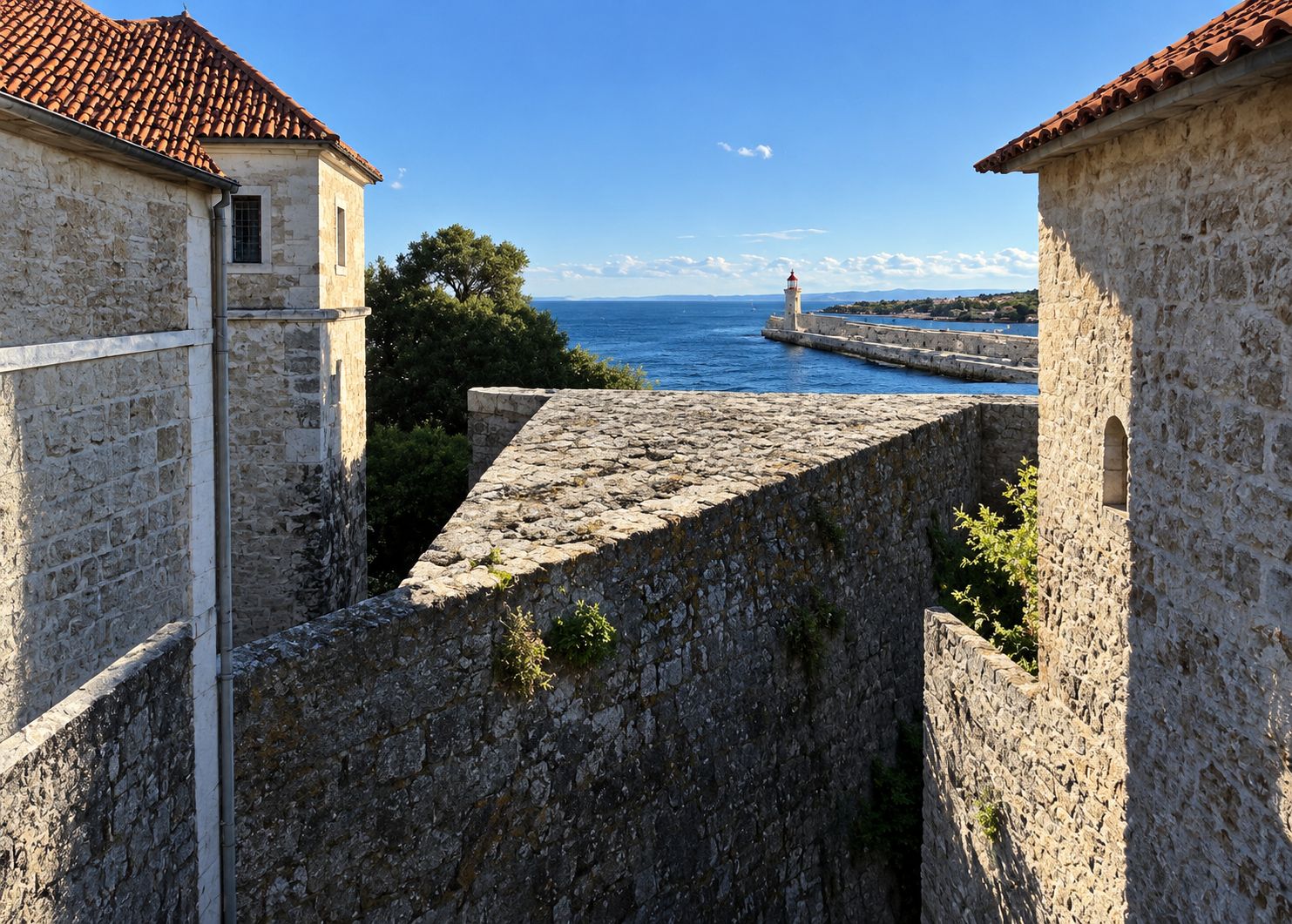
2026. An AI recreation of the first photo as if it was taken today